
What to Know About Permits When It Comes to Building Renovations
Building renovations often require permits, even when the work seems simple. A permit is more than paperwork. It is part of the process that helps confirm the work is reviewed, inspected, and completed according to applicable building requirements. Property owners sometimes skip permits to save time or money. That decision can create larger problems later.
Lance Luke
3/16/20222 min read
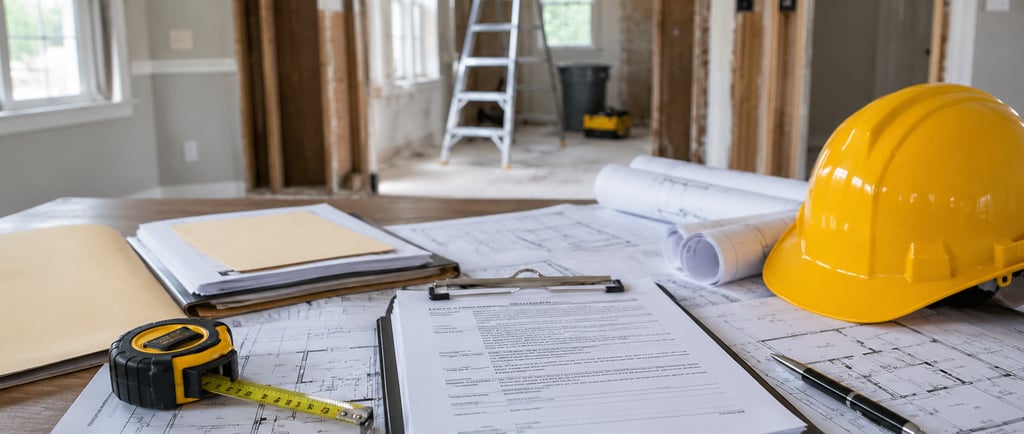
Building renovations often require permits, even when the work seems simple. A permit is more than paperwork. It is part of the process that helps confirm the work is reviewed, inspected, and completed according to applicable building requirements.
Property owners sometimes skip permits to save time or money. That decision can create larger problems later.
Why Permits Are Required
Permits help protect public safety and property value. They allow the local building department to review plans and inspect the work at different stages. This helps confirm that construction meets code requirements.
Renovations involving structural changes, electrical work, plumbing, mechanical systems, roofing, windows, doors, additions, decks, and major repairs often require permits. Requirements vary by location, so owners should confirm with the local authority before starting work.
Permits Help Prevent Unsafe Work
Unpermitted work can hide unsafe conditions. For example, a wall may be removed without proper structural support, electrical wiring may be installed incorrectly, or plumbing may be connected without proper drainage and venting.
These problems may not be visible after finishes are installed. A permit process helps ensure that work is inspected before it is covered.
Permits Protect Property Value
Unpermitted renovations can become a problem when selling, refinancing, insuring, or appraising a property. Buyers and inspectors may ask whether renovations were legally completed. If work was done without permits, the owner may need to disclose it, obtain after-the-fact permits, open walls for inspection, or correct the work.
This can delay a sale and reduce buyer confidence.
Permits Create a Record of the Work
Permits provide documentation that the work was reviewed and inspected. This record can be useful for future owners, property managers, insurance companies, and contractors.
Good records should include permits, approved plans, inspection approvals, contractor information, warranties, and invoices.
When Owners Should Ask Questions
Before starting a renovation, owners should ask several questions:
Does this work require a permit?
Who is responsible for obtaining the permit?
Are plans required?
What inspections will be needed?
Will the contractor provide copies of approvals?
How will changes to the scope of work be handled?
A licensed contractor should be able to help guide the owner through the permit process.
What Happens if Work Is Done Without a Permit?
Consequences vary by location, but unpermitted work can lead to stop-work orders, fines, required removal of completed work, failed inspections, insurance issues, and complications during resale.
The cost of fixing unpermitted work can be much higher than the cost of doing it properly the first time.
Final Thoughts
Permits are an important part of responsible building renovation. They help protect safety, quality, and property value. Before beginning renovation work, property owners should confirm permit requirements and make sure the project is properly documented from start to finish.
Reach out anytime, we’re here to help.
Phone
(808) 422-2132
© 2026. All rights reserved.
Contact
newsletter