
The Impact of Tariffs on the Construction Economy: What You Need to Know
As tariffs become a growing part of the global trade landscape, the construction industry finds itself grappling with new challenges. A recent announcement by President Donald Trump revealed a 10% tariff on all countries, effective April 5, 2025, with countries like China and the European Union facing even higher rates starting April 9.
3/6/20243 min read
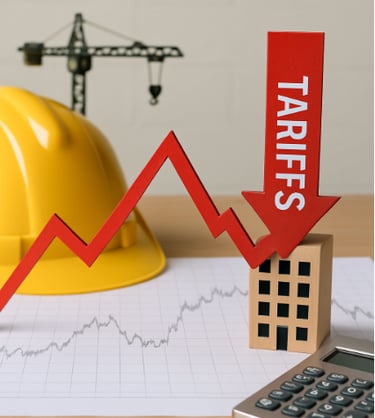
As tariffs become a growing part of the global trade landscape, the construction industry finds itself grappling with new challenges. A recent announcement by President Donald Trump revealed a 10% tariff on all countries, effective April 5, 2025, with countries like China and the European Union facing even higher rates starting April 9. With over 60 countries affected, the construction economy is already bracing for impact, and industry experts are raising concerns over what this means for the future.
Tariffs and Their Threat to Construction
The construction sector is one of the most dependent industries on imported goods, with many essential materials lacking suitable domestic alternatives. Items like large diameter steel pipes and specialized wastewater treatment equipment are just a few examples of materials that will be impacted by the new tariffs. According to Ken Simonson, the chief economist at the Associated General Contractors of America, this poses a significant threat to the industry.
These tariffs will raise the cost of both imported and domestically sourced materials, and the price hike will inevitably be passed on to contractors, developers, and ultimately, consumers. For businesses relying on these materials, this could mean delays, higher costs, and potential profit losses.
A Looming Recession?
The repercussions of the tariff announcement extend beyond the construction industry. Ed Sullivan, economist at the Sullivan Report, believes the tariffs are likely to push the economy into a deeper recession. He points out that the tariffs’ broad and severe nature makes a downturn more probable, with inflation expected to rise and disruptions in product sourcing exacerbating the situation.
For construction companies, this means more than just higher costs—it could also mean a slowdown in demand for projects. If businesses see rising material costs, they may scale back their investments, leading to fewer construction projects on the horizon.
The Federal Reserve’s Response
While the potential for a recession is concerning, Sullivan believes that the Federal Reserve will initially focus on managing inflation, making interest rate cuts a slower process. Higher inflation and reduced economic activity may further discourage investments in large-scale construction projects, as contractors and developers may hold off on starting new ventures due to uncertainty in the financial climate.
What Does This Mean for Construction Professionals?
For those working in the construction industry, the effects of these tariffs will likely be felt across various facets of business operations. Contractors will face increased costs for key materials, and it’s expected that this will trickle down to clients, potentially making construction projects more expensive and less attractive. Fewer projects may get off the ground, and competition for the remaining opportunities may intensify.
In the face of these challenges, construction professionals need to stay agile. Adaptation to the changing market conditions could mean adjusting pricing strategies, reevaluating supplier relationships, or shifting focus to projects less reliant on heavily impacted materials.
Looking for Solutions
Despite these concerns, there’s a glimmer of hope. Experts suggest that the tariffs could lead to negotiations and possible concessions from trading partners, which could alleviate some of the strain on the construction sector. Furthermore, quick reductions or removals of the tariffs could be possible if the economic situation worsens.
For now, the industry must prepare for the possibility of higher costs and fewer projects. The key will be finding ways to mitigate the impact, whether through strategic adjustments, diversifying material sources, or rethinking project financing.
The construction industry is entering a period of uncertainty as tariffs begin to impact material costs and project demand. Experts predict higher costs and fewer projects, and there is concern that the overall economy may experience a downturn. For construction professionals, staying informed and adaptable will be crucial to navigating these challenging times. While the immediate future may look uncertain, there may be opportunities for relief as the situation develops.
Reach out anytime, we’re here to help.
Phone
(808) 422-2132
© 2026. All rights reserved.
Contact
newsletter