
The Hidden Dangers of Heavy Snow: Lessons from the Oswego County Building Collapses
Winter storms may create picturesque landscapes, but they can also bring serious structural risks—as seen recently in Oswego County, New York. A relentless lake-effect snowstorm between February 14 and February 19, 2025, dumped an astonishing 79 inches of snow in some areas, leading to the collapse of 26 buildings.
3/6/20243 min read
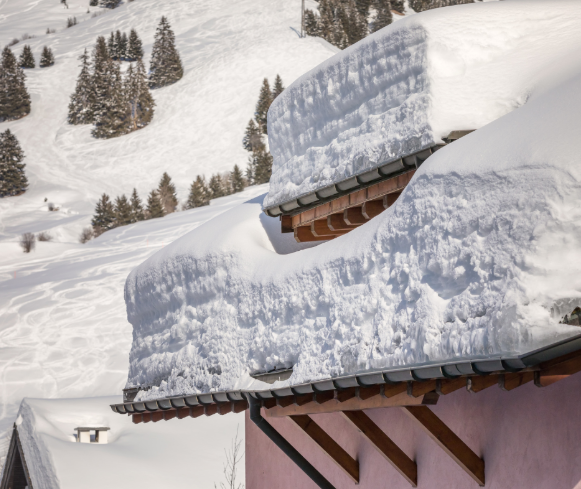
Winter storms may create picturesque landscapes, but they can also bring serious structural risks—as seen recently in Oswego County, New York. A relentless lake-effect snowstorm between February 14 and February 19, 2025, dumped an astonishing 79 inches of snow in some areas, leading to the collapse of 26 buildings.
For many, snow is just part of winter, but what happens when it becomes too much for a structure to handle? As a building safety expert, I want to break down what led to these collapses and what every property owner can do to prevent a similar disaster.
How Much Does Snow Actually Weigh?
Snow may look light and fluffy, but when it accumulates, it becomes a heavy burden on rooftops. The weight of snow depends on its density:
🔹 Light, dry snow: About 3 pounds per square foot per foot of depth.
🔹 Wet, heavy snow: Up to 21 pounds per square foot per foot of depth.
Now, imagine nearly seven feet of snow accumulating over a few days, like what happened in Oswego County. That’s potentially over 100 pounds per square foot pressing down on roofs—not all buildings are built to handle that kind of stress.
For some, the warning signs were clear. Employees at International Wire’s plant in Williamstown heard the ceiling crack and evacuated just minutes before the roof gave way. A second collapse in the same facility followed just a few hours later.
This should serve as a wake-up call: building collapses from heavy snow are preventable if you know what to look for and how to take action.
Signs That a Roof is at Risk of Collapse
Buildings often show warning signs before failure, but these are easy to miss unless you know what to watch for:
✔ Creaking, cracking, or popping noises – The sound of materials straining under weight.
✔ Sagging ceilings or rooflines – A key indicator that the structure is under stress.
✔ New cracks in interior or exterior walls – Especially near doorways and load-bearing areas.
✔ Doors and windows that suddenly stick – Warping under pressure can make them difficult to open.
If you see any of these warning signs, do not ignore them. Even if your building has withstood heavy snowfall in the past, structural fatigue can worsen over time.
What Can You Do to Prevent Roof Collapses?
Proactive maintenance is the best defense against structural failures. Here are steps you can take now:
🔹 Clear Excess Snow from Your Roof – Safely remove snow buildup or hire professionals to do so.
🔹 Inspect Your Building Before & After Storms – Check for stress signs before the next snowstorm.
🔹 Ensure Proper Drainage – Clear gutters and downspouts to prevent ice dams, which add extra weight.
🔹 Know Your Building’s Load Limit – If you’re unsure, schedule a professional structural inspection.
Being proactive isn’t just about avoiding repair costs—it’s about protecting lives.
Emergency Response & Structural Safety Regulations
Oswego County officials are urging residents and business owners to act quickly if they suspect their buildings are at risk. Fire Coordinator Shane Laws has instructed residents to call 911 if they notice any warning signs. Firefighters can assess the structure and assist with evacuations if needed.
This event also raises important questions about building safety codes. In snow-prone regions, roofing materials, construction methods, and maintenance protocols should be re-evaluated regularly. Stronger regulations and regular safety inspections could help prevent future collapses.
Final Thoughts
The Oswego County snowstorm was a harsh reminder of the importance of structural safety during winter. Buildings can only take so much, and when snow loads exceed their limits, catastrophic failures can occur.
The good news? Most collapses are preventable. By staying informed, taking proactive maintenance steps, and knowing when to seek professional assessments, you can protect your home, business, and loved ones.
Winter storms may be unpredictable, but structural failures don’t have to be. Take action now—before the next storm hits.
Reach out anytime, we’re here to help.
Phone
(808) 422-2132
© 2026. All rights reserved.
Contact
newsletter