
FAQ About Building Permits in Hawaii
Building permits are an important part of construction and renovation in Hawaii. Whether the project involves a single-family home, condominium unit, commercial space, or multi-story structure, property owners should understand when permits may be required and why the process matters. Requirements can vary by county and project type, so owners should always verify current rules with the appropriate local building department.
Lance Luke
3/16/20222 min read
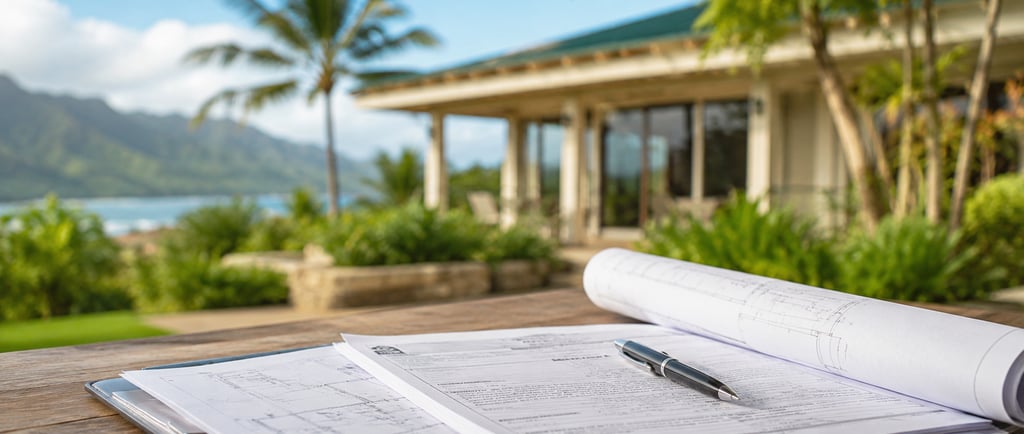
Building permits are an important part of construction and renovation in Hawaii. Whether the project involves a single-family home, condominium unit, commercial space, or multi-story structure, property owners should understand when permits may be required and why the process matters.
Requirements can vary by county and project type, so owners should always verify current rules with the appropriate local building department.
What Is a Building Permit?
A building permit is an official approval that allows construction, renovation, repair, or alteration work to proceed. It confirms that the proposed work has been reviewed by the local authority and may be inspected for code compliance.
A permit does not mean the project is automatically problem-free. It means the project is subject to review and inspection under applicable requirements.
When Is a Permit Required?
Permits are commonly required for new construction, additions, structural changes, electrical work, plumbing work, mechanical work, roofing, major repairs, and certain renovations. Work involving fire safety, accessibility, or changes to occupancy may also require permits.
Small cosmetic work, such as painting or minor finish replacement, may not require a permit, but owners should not assume. The safest approach is to check before work begins.
Who Gets the Permit?
In many cases, the licensed contractor obtains the permit. However, the property owner should still confirm that the permit was actually issued and that inspections were completed.
Owners should request copies of the permit, approved plans, inspection records, and final approvals. These documents are important for future resale, insurance, and maintenance records.
Why Are Permits Important in Hawaii?
Hawaii’s environment creates unique building challenges, including salt air, humidity, heavy rain, wind exposure, termites, corrosion, and coastal conditions. Building requirements help address safety and performance concerns in this environment.
Permits also help ensure that construction work follows local codes and standards. This is important for protecting occupants, neighboring properties, and long-term property value.
What Happens If Work Is Done Without a Permit?
Unpermitted work can lead to fines, stop-work orders, required corrections, resale issues, insurance concerns, and difficulty obtaining future approvals. In some cases, completed work may need to be opened or removed so inspectors can verify compliance.
This can be costly and frustrating for the property owner.
Are Condominium Renovations Different?
Condominium renovations may involve additional requirements. In addition to government permits, owners may need approval from the condominium association, resident manager, board, or design review committee.
Work affecting plumbing, electrical systems, structural elements, fire-rated assemblies, flooring, windows, or common areas may be subject to strict rules. Owners should review association documents before starting work.
Final Thoughts
Building permits in Hawaii protect safety, code compliance, and property value. Before starting construction or renovation work, property owners should verify permit requirements, hire qualified professionals, and keep complete project records.
Reach out anytime, we’re here to help.
Phone
(808) 422-2132
© 2026. All rights reserved.
Contact
newsletter