5 Common Signs of a Broken Water Pipe
A broken water pipe is one of those building problems that can start small but quickly become costly. A slow leak behind a wall, under a slab, or above a ceiling may not be obvious at first. By the time the damage becomes visible, the water may have already affected framing, drywall, flooring, electrical components, and nearby finishes.
Lance Luke
3/16/20222 min read
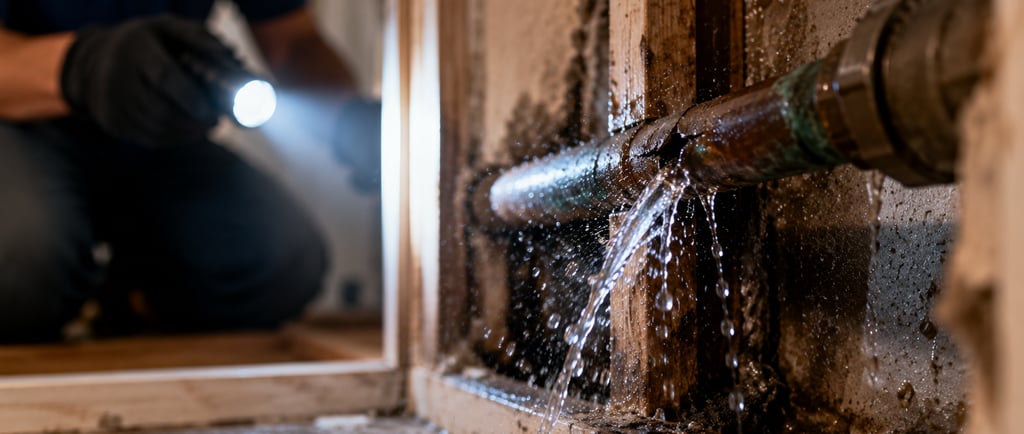
A broken water pipe is one of those building problems that can start small but quickly become costly. A slow leak behind a wall, under a slab, or above a ceiling may not be obvious at first. By the time the damage becomes visible, the water may have already affected framing, drywall, flooring, electrical components, and nearby finishes.
For property owners, the key is to recognize early warning signs. Water pipes are hidden in many areas of a building, but the symptoms of a problem often appear before the source is fully exposed.
1. Unexplained Increase in Water Bills
One of the first signs of a broken water pipe is a sudden increase in the water bill. If your water usage has not changed but the bill rises noticeably, there may be a leak somewhere in the plumbing system.
Even a small leak can waste a large amount of water over time. A pipe that is dripping behind a wall or below a floor may continue leaking day and night without being noticed. This is why an unusual water bill should not be ignored, especially if the increase continues for more than one billing cycle.
2. Water Stains on Walls, Ceilings, or Floors
Water stains are common indicators of a plumbing problem. These stains may appear as yellow, brown, or dark marks on drywall, ceiling panels, baseboards, or flooring.
A ceiling stain may point to a leak from a bathroom, kitchen, laundry area, or piping above. A stain near a baseboard may suggest water inside a wall cavity. If the stain continues to grow, becomes darker, or feels damp to the touch, the source should be investigated immediately.
3. Low Water Pressure
A broken water pipe can reduce water pressure throughout a building or in one specific area. If faucets, showers, or fixtures suddenly have weaker flow, there may be a leak, blockage, or damaged section of pipe.
Low water pressure can also occur when water is escaping from the system before it reaches the fixture. This problem should be checked because pressure changes may indicate a larger issue within the plumbing line.
4. Mold, Mildew, or Musty Odors
Moisture hidden inside walls, cabinets, crawl spaces, or ceiling cavities can create conditions for mold and mildew growth. A musty smell may be present even before visible mold appears.
If an area smells damp or stale, especially near bathrooms, kitchens, laundry rooms, or mechanical areas, a hidden leak may be present. Mold can also spread behind finishes, making it important to locate and stop the water source before repairs are made.
5. Sounds of Running Water When Fixtures Are Off
If you hear water running, dripping, hissing, or rushing when no fixtures are being used, this may indicate a leak inside the plumbing system. The sound may come from walls, floors, ceilings, or underground piping.
This is especially concerning if the water meter continues to move when all fixtures are turned off. A professional can perform testing to confirm whether water is escaping from the system.
Why Early Detection Matters
Broken pipes can cause more than water waste. They can damage structural materials, create unsafe electrical conditions, weaken flooring, and lead to mold growth. In multi-unit buildings, one leaking pipe can also affect neighboring units and common areas.
If a pipe problem is suspected, it is best to have the issue evaluated before opening walls or making cosmetic repairs. The source must be corrected first. Otherwise, the same damage may return.
Final Thoughts
A broken water pipe is not always obvious, but buildings usually give warning signs. Higher water bills, stains, low pressure, musty odors, and unusual water sounds should be taken seriously. Prompt investigation can prevent small plumbing problems from becoming major building repairs.
Reach out anytime, we’re here to help.
Phone
(808) 422-2132
© 2026. All rights reserved.
Contact
newsletter