
3 Reasons You Should Always Get a Building Permit
For many property owners, the permit process can feel like an extra step. It may seem easier to begin construction, renovation, or repair work without waiting for approval. However, skipping a building permit can create serious problems. A building permit helps protect the owner, the contractor, future buyers, and the people who will use the building.
Lance Luke
3/16/20222 min read
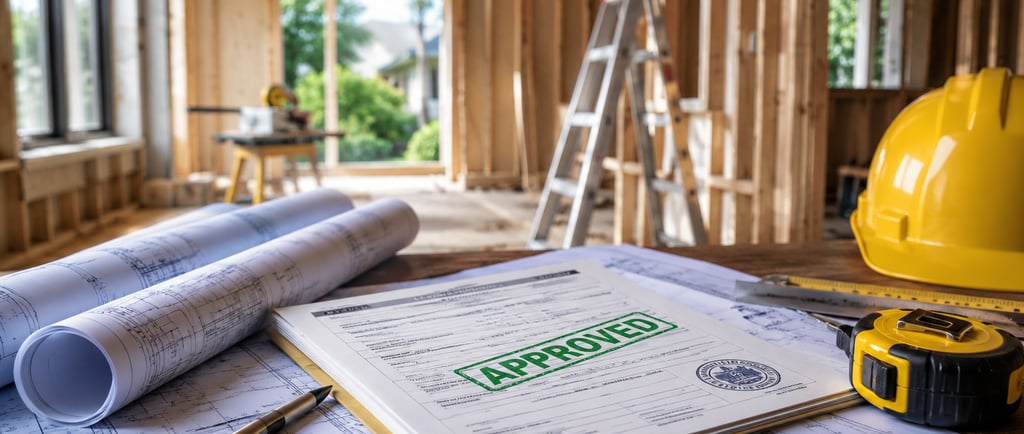
For many property owners, the permit process can feel like an extra step. It may seem easier to begin construction, renovation, or repair work without waiting for approval. However, skipping a building permit can create serious problems.
A building permit helps protect the owner, the contractor, future buyers, and the people who will use the building.
1. A Permit Helps Protect Safety
The most important reason to get a building permit is safety. Construction work can affect structure, electrical systems, plumbing, fire protection, ventilation, stairs, exits, and other critical components.
Permits allow the local authority to review the proposed work and inspect it at required stages. This helps confirm that the work meets minimum safety standards.
Without permits and inspections, unsafe work may be hidden behind walls, ceilings, or finishes. The problem may not be discovered until there is a failure, injury, fire, leak, or major repair.
2. A Permit Protects Property Value
Unpermitted work can reduce property value and create complications during resale. Buyers may ask for proof that renovations were properly permitted and approved. If records are missing, the owner may be required to correct or disclose the issue.
Unpermitted work can also affect insurance claims. If damage is connected to work that was not properly permitted or completed, coverage questions may arise.
A permit record helps show that the project was handled properly.
3. A Permit Helps Avoid Costly Corrections
Skipping a permit may seem cheaper at first, but it can become more expensive later. If the building department discovers unpermitted work, the owner may face penalties, stop-work orders, additional fees, and required corrections.
In some cases, completed work may need to be removed so the inspector can see concealed framing, wiring, plumbing, or structural components. This can turn a simple project into a costly repair.
Getting the permit before work begins is usually the better and less expensive path.
Common Projects That May Require Permits
Permit requirements vary by location, but many projects may require approval. These can include additions, structural changes, major renovations, electrical upgrades, plumbing work, HVAC installation, roofing, window replacement, decks, fences, retaining walls, and changes to occupancy or use.
Owners should check with the local building department before starting any work.
Final Thoughts
A building permit is not just paperwork. It is a safeguard for safety, property value, and long-term peace of mind. Before starting construction or renovation work, take the time to confirm permit requirements and complete the process properly.
Reach out anytime, we’re here to help.
Phone
(808) 422-2132
© 2026. All rights reserved.
Contact
newsletter