
3 Reasons to Hire a Licensed Contractor for Building Renovations
Building renovations can improve property value, comfort, function, and appearance. However, renovation work can also create serious problems when it is performed without proper experience, permits, or supervision. Hiring a licensed contractor is one of the best ways to protect your property and reduce the risk of costly mistakes. A licensed contractor brings accountability, technical knowledge, and familiarity with building requirements.
Lance Luke
3/16/20222 min read
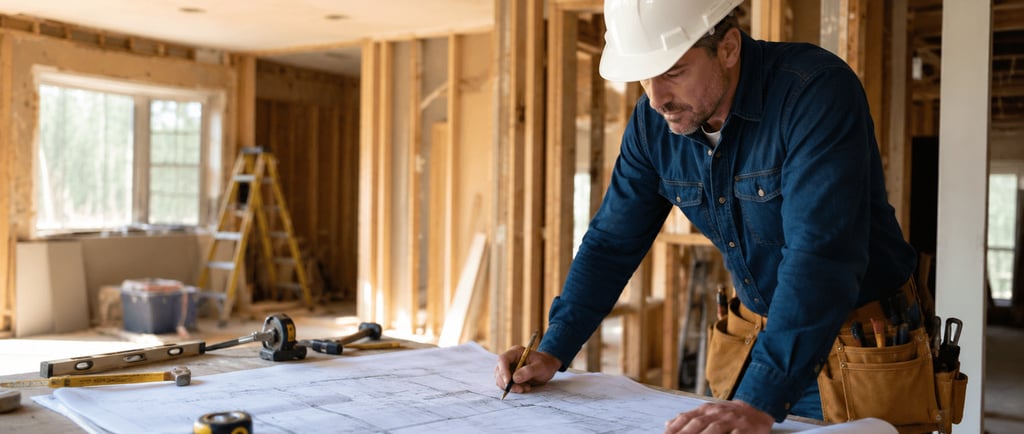

Building renovations can improve property value, comfort, function, and appearance. However, renovation work can also create serious problems when it is performed without proper experience, permits, or supervision. Hiring a licensed contractor is one of the best ways to protect your property and reduce the risk of costly mistakes.
A licensed contractor brings accountability, technical knowledge, and familiarity with building requirements.
1. Licensed Contractors Understand Code Requirements
Renovation projects often involve building codes, electrical codes, plumbing codes, fire safety requirements, accessibility standards, and local permitting rules. Even a project that appears simple can trigger code requirements.
A licensed contractor is expected to understand these requirements and perform work in compliance with applicable standards. This is especially important for projects involving structural changes, electrical systems, plumbing, roofing, windows, doors, stairs, decks, and fire-rated assemblies.
When work is done without proper code compliance, the owner may face failed inspections, unsafe conditions, delays, fines, or the need to remove and redo completed work.
2. Licensed Contractors Carry Responsibility and Accountability
A licensed contractor is legally recognized to perform certain types of construction work. Licensing helps create accountability. It also gives property owners a better path for addressing issues if the work is defective, incomplete, or unsafe.
While licensing does not guarantee perfect work, it provides a higher level of protection than hiring an unlicensed person. Licensed contractors are usually required to meet certain qualifications, carry insurance, and follow professional rules.
Property owners should still verify license status, insurance coverage, experience, references, and contract terms before starting the project.
3. Licensed Contractors Help Protect Long-Term Property Value
Poor renovation work can reduce the value of a property. Problems may appear during future inspections, appraisals, insurance reviews, or resale. Unpermitted or defective work can make it harder to sell a property or may require costly corrections before closing.
A licensed contractor can help make sure the work is properly planned, permitted, inspected, and documented. This protects the owner not only during construction but also in the future.
Good renovation work should improve the property. It should not create hidden defects, safety hazards, or legal problems.
Why the Contract Matters
Even when hiring a licensed contractor, the written agreement is important. The contract should clearly describe the scope of work, materials, schedule, payment terms, change order process, warranty information, and responsibilities of each party.
Verbal agreements often lead to misunderstandings. A clear written contract helps prevent disputes.
Final Thoughts
Renovations can be exciting, but they should be handled carefully. Hiring a licensed contractor helps protect safety, code compliance, accountability, and property value. Before starting a renovation, choose qualified professionals and make sure the work is properly planned and documented.
Reach out anytime, we’re here to help.
Phone
(808) 422-2132
© 2026. All rights reserved.
Contact
newsletter