
3 Common Residential Code Violations
Residential code violations are common in older homes, remodeled homes, and properties where work was performed without proper permits or inspections. Some violations are minor, while others can create safety risks for occupants. Building codes exist to protect life, health, and property. When residential work does not meet code, homeowners may face repair costs, failed inspections, insurance concerns, or problems during resale.
Lance Luke
3/16/20222 min read
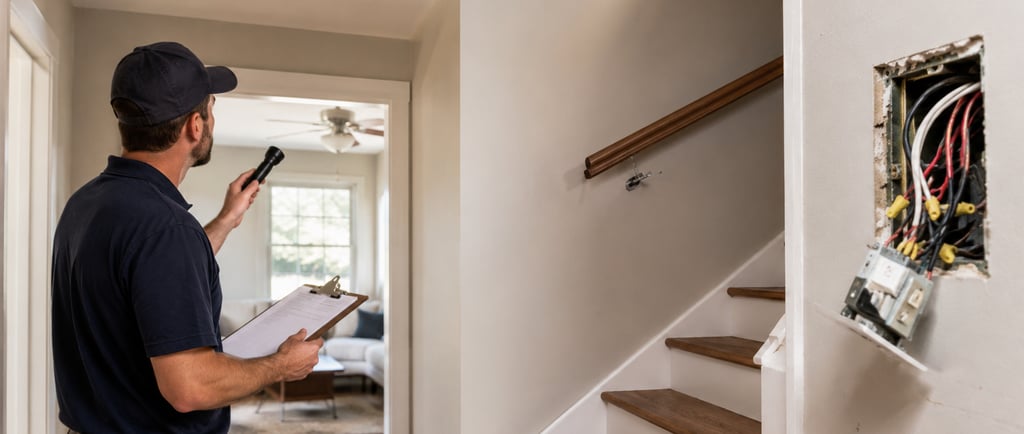
Residential code violations are common in older homes, remodeled homes, and properties where work was performed without proper permits or inspections. Some violations are minor, while others can create safety risks for occupants.
Building codes exist to protect life, health, and property. When residential work does not meet code, homeowners may face repair costs, failed inspections, insurance concerns, or problems during resale.
1. Improper Electrical Work
Electrical violations are among the most common residential issues. These may include exposed wiring, overloaded circuits, missing covers, improper grounding, incorrect breaker sizes, unsafe outlets, and unpermitted electrical modifications.
Electrical work should not be treated casually. Poor electrical installation can create shock hazards, fire risks, and equipment damage. Homeowners should be cautious about do-it-yourself electrical work or hiring unqualified individuals.
If electrical changes are needed, a licensed professional should perform the work and obtain permits when required.
2. Missing or Improper Smoke and Carbon Monoxide Alarms
Smoke alarms and carbon monoxide alarms are important life-safety devices. Code requirements vary by location, but most homes are required to have properly located and functioning alarms.
Common violations include missing alarms, expired alarms, alarms installed in the wrong location, disconnected devices, dead batteries, or lack of carbon monoxide alarms where required.
These devices should be tested regularly and replaced according to manufacturer recommendations. A working alarm can provide critical warning during an emergency.
3. Unsafe Stairs, Guards, and Handrails
Stairs, guards, and handrails are frequent sources of residential code violations. Problems may include missing handrails, low guardrails, wide openings, uneven stair risers, loose railings, improper height, or unsafe landings.
These issues can create fall hazards, especially for children, older adults, and visitors unfamiliar with the home. Stair and railing work should be carefully built to meet code because small measurement errors can affect safety.
Why Code Violations Happen
Code violations often happen when homeowners remodel without permits, hire unlicensed workers, or assume that small projects do not need to follow code. They may also exist in older homes that were built under previous standards but later modified incorrectly.
During a property sale, home inspection, renovation, or insurance review, these issues may become visible.
What Homeowners Should Do
Homeowners should address code violations promptly, especially when they involve life safety. It is also wise to keep records of permits, inspections, contractor invoices, and repair work.
Before starting a remodeling project, check whether permits are required and hire qualified professionals for electrical, plumbing, structural, and safety-related work.
Final Thoughts
Common residential code violations include improper electrical work, missing safety alarms, and unsafe stairs or railings. These issues should not be ignored. Correcting code violations helps protect the home, its occupants, and the property’s long-term value.
Reach out anytime, we’re here to help.
Phone
(808) 422-2132
© 2026. All rights reserved.
Contact
newsletter